Featured
Economic Impact What You'll Pay for The Ethics of Debt Re...
Private Dating and Debt: How Financial Health Impacts Mod...
Some Ideas on Maintaining a Stable Financial Plan That Wo...
Table of Contents
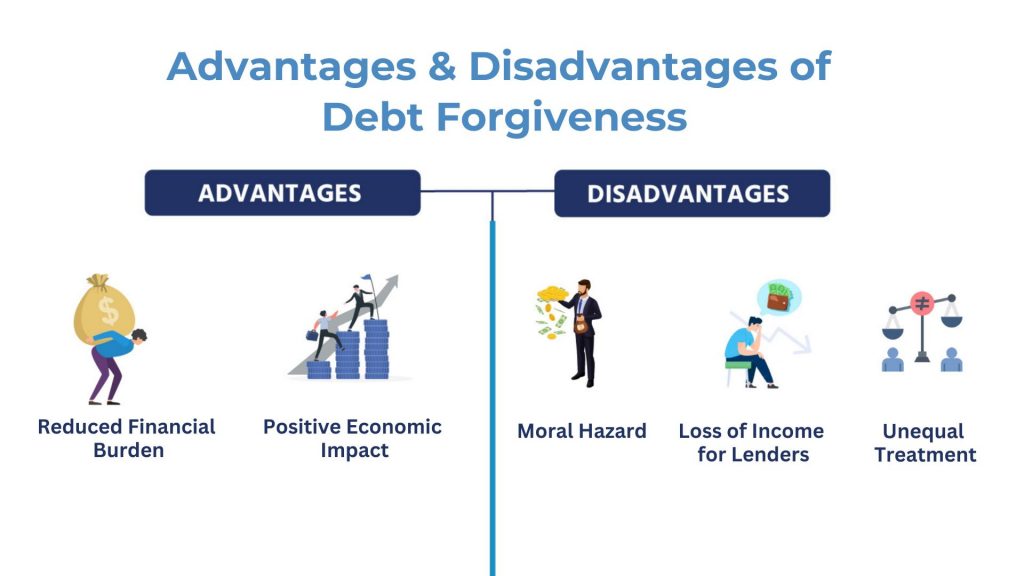
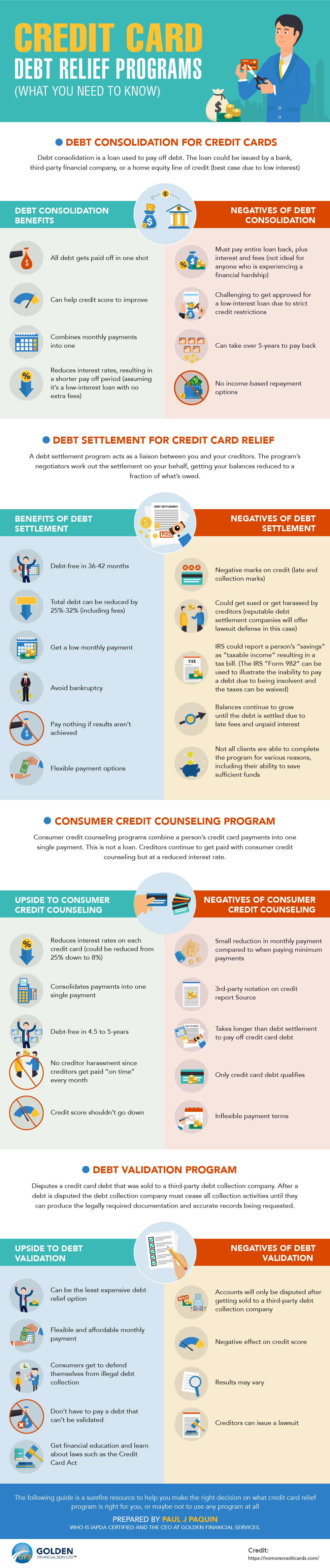
That liberates money in the short term, and you may have three to four years to conserve towards the negotiation amount. Really hazardous to credit history, primarily as a result of missed settlements and a negative "resolved" mark that could remain on your credit record for as much as seven yearsMay be only choice if various other options (debt combination, equilibrium transfer credit scores cards, financial debt mercy) aren't possibleTypically needs a charge to the 3rd party, which could balance out some or every one of the cost savings from financial obligation settlementMay aid you prevent insolvency if you've missed out on numerous paymentsNot all lenders collaborate with financial obligation negotiation business Financial debt mercy may be right for you if you are experiencing an economic difficulty that makes it nearly difficult to pay for your debt equilibriums.

With a DMP, you make one regular monthly repayment to the credit score counseling agency. Those funds are then dispersed to lenders of your unsecured financial obligations, such as charge card and installment lendings. The company deals with your financial institutions to lower interest prices or forgo costs, however some financial institutions may decline such concessions.
It can aid you pay down financial obligation if you're able to secure a car loan price that's reduced than the average rate of the accounts you're combining. You need to avoid from racking up financial obligation on those newly gotten rid of accounts or your debt can grow even greater.
That provides you plenty of time to get rid of or dramatically lower your balance while making interest-free settlements.
The 15-Second Trick For Credentials Requirements in the Industry
You might require it if your creditor or a collection company ever attempts to accumulate on the financial obligation in the future. The letter might prove you don't owe what the collection company's records reveal. Yes, in many situations, the internal revenue service thinks about forgiven debt as taxed earnings. When a loan provider forgives $600 or more, they are called for to send you Form 1099-C.
Debt mercy or negotiation generally hurts your credit history. Anytime you settle a debt for much less than you owe, it might look like "worked out" on your credit score report and influence your credit rating for 7 years from the date of settlement. Your credit can also drop considerably in the months leading to the mercy if you drop behind on payments.
Finding Support Through The Emotional Aftermath of Debt: Integrating Mental Health into Financial Counseling Providers for Dummies
This circumstance usually results from underreporting earnings, not filing returns on time, or disparities discovered during an Internal revenue service audit. The repercussions of collecting tax obligation financial debt are serious and can consist of tax liens, which offer the IRS a lawful claim to your building as safety and security for the financial obligation.
Higher passion rates on available credit score. Salaries and Financial institution Accounts IRS can impose (take) wages and checking account to please the debt. Minimized revenue and disturbance of vital financial procedures. Property Seizure In extreme cases, the internal revenue service can take and market residential property to cover the financial debt. Loss of beneficial properties and prospective displacement.
Clinical depression, anxiousness, and other psychological wellness issues. Social Preconception Encountering legal activity from the internal revenue service can bring social stigma. Damages to track record and connections. Work Opportunities An inadequate credit report because of strain financial debt can restrict job opportunity. Difficulty searching for or maintaining a work. Federal government Advantages Tax obligation financial obligation may impact qualification for federal government advantages, such as Social Safety and Medicaid.
The Basic Principles Of Unsecured Debt Relief Solutions
The OIC thinks about several aspects, consisting of the taxpayer's earnings, costs, possession equity, and ability to pay. Successfully discussing an OIC can be complex, calling for a thorough understanding of the IRS's standards and a solid disagreement for why your offer lines up with your ability to pay. It is necessary to keep in mind that not all applications are approved, and the procedure calls for detailed financial disclosure.
The internal revenue service evaluates your general monetary situation, including your income, costs, possession equity, and ability to pay. You must also be existing with all filing and settlement demands and not be in an open insolvency proceeding. The internal revenue service likewise considers your conformity history, reviewing whether you have a record of prompt filing and paying tax obligations in previous years.
Not known Details About How The Emotional Aftermath of Debt: Integrating Mental Health into Financial Counseling Protects Your Assets
The application process for an Offer in Concession entails a number of detailed steps. You have to complete and submit IRS Type 656, the Deal in Concession application, and Type 433-A (OIC), a collection information statement for people. These forms need comprehensive financial information, consisting of information concerning your income, debts, costs, and properties.
Back tax obligations, which are overdue tax obligations from previous years, can considerably boost your complete internal revenue service debt otherwise resolved promptly. This financial obligation can build up passion and late payment penalties, making the original amount owed much larger in time. Failure to repay tax obligations can result in the IRS taking enforcement actions, such as providing a tax lien or levy against your residential property.
It is very important to address back taxes asap, either by paying the sum total owed or by preparing a repayment strategy with the internal revenue service. By taking proactive actions, you can avoid the buildup of added interest and fines, and avoid much more hostile collection actions by the IRS.
One typical factor is the idea that the taxpayer can pay the total either as a lump amount or through a payment strategy. The IRS also takes into consideration the taxpayer's revenue, expenditures, property equity, and future earning capacity. If these factors show that the taxpayer can afford to pay greater than the used amount, the internal revenue service is likely to turn down the deal.
The 45-Second Trick For Understanding Your Rights in Debt Forgiveness
Dealing with IRS debt can be complex and daunting. Tax obligation specialists, such as Certified public accountants, tax lawyers, or enrolled representatives, can offer very useful aid.

Table of Contents
Latest Posts
Economic Impact What You'll Pay for The Ethics of Debt Relief: Balancing Client Advocacy with Credit System Integrity Fundamentals Explained
Private Dating and Debt: How Financial Health Impacts Modern Relationships : APFSC Organizations Reviewed Fundamentals Explained
Some Ideas on Certified Guidance Preserves What You've Worked For You Should Know
More
Latest Posts
Private Dating and Debt: How Financial Health Impacts Modern Relationships : APFSC Organizations Reviewed Fundamentals Explained
Some Ideas on Certified Guidance Preserves What You've Worked For You Should Know